A useful clad plate enquiry identifies every layer, the finished dimensions, service conditions and the evidence needed for acceptance. Specify the actual plate construction before comparing prices.
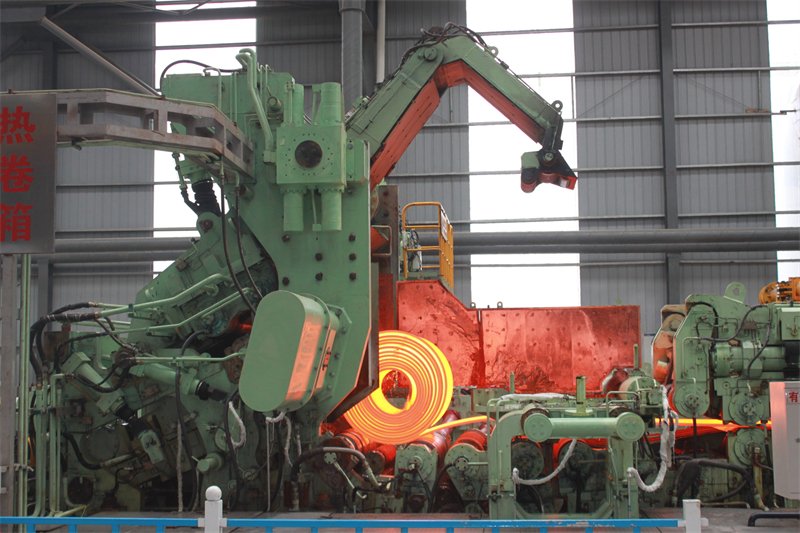
Single-sided and double-sided construction
A single-sided construction places cladding on one face of the base; a double-sided construction places it on both faces. Specify each face separately and state the required minimum or nominal layer thickness and measurement basis.
What to put on the purchase specification
| Item | State or agree |
|---|---|
| Layers | Base and cladding grades, material specifications, individual and total thicknesses. |
| Plate | Width, length, tolerances, quantity, surface and edge requirements. |
| Service and design | Medium, temperature, fabrication and applicable design code; project engineer to assess suitability. |
| Inspection | Bond examination, tests, acceptance criteria, traceability and material documents agreed in the purchase order. |
Understanding standards references
ASTM A263 covers stainless chromium steel-clad plate, while ASTM A264 covers stainless chromium-nickel steel-clad plate. Their published scopes describe carbon or low-alloy steel base with one or both clad faces and generally refer to pressure-vessel use. Select the applicable standard and edition for the actual materials and design with the project engineer. A reference to a standard here is not a claim that a particular product complies.
Compare quotations on the same basis
Check that both offers use the same layer schedule, thickness definitions, dimensions, inspection scope, documentation, packing and delivery terms. Resolve exceptions in writing before accepting an order.
Sources
- ASTM A263 — official standard listing.
- ASTM A264 — official standard listing.
- Sunyon metal rolling product information.
- Sunyon single-sided trial, 3 April 2023.
Sources accessed 16 November 2026. Confirm specifications, inspection capabilities and availability with the supplier.